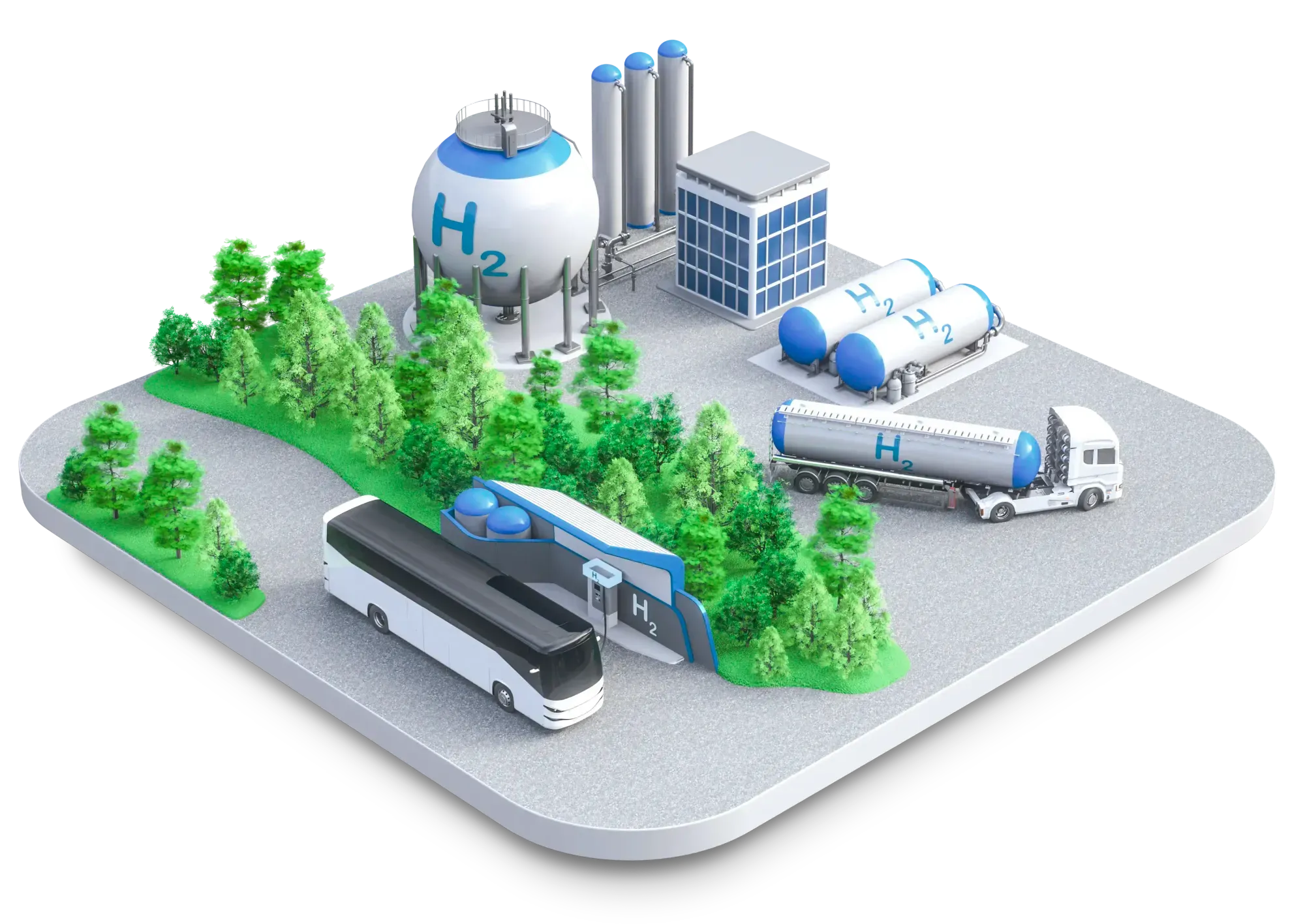
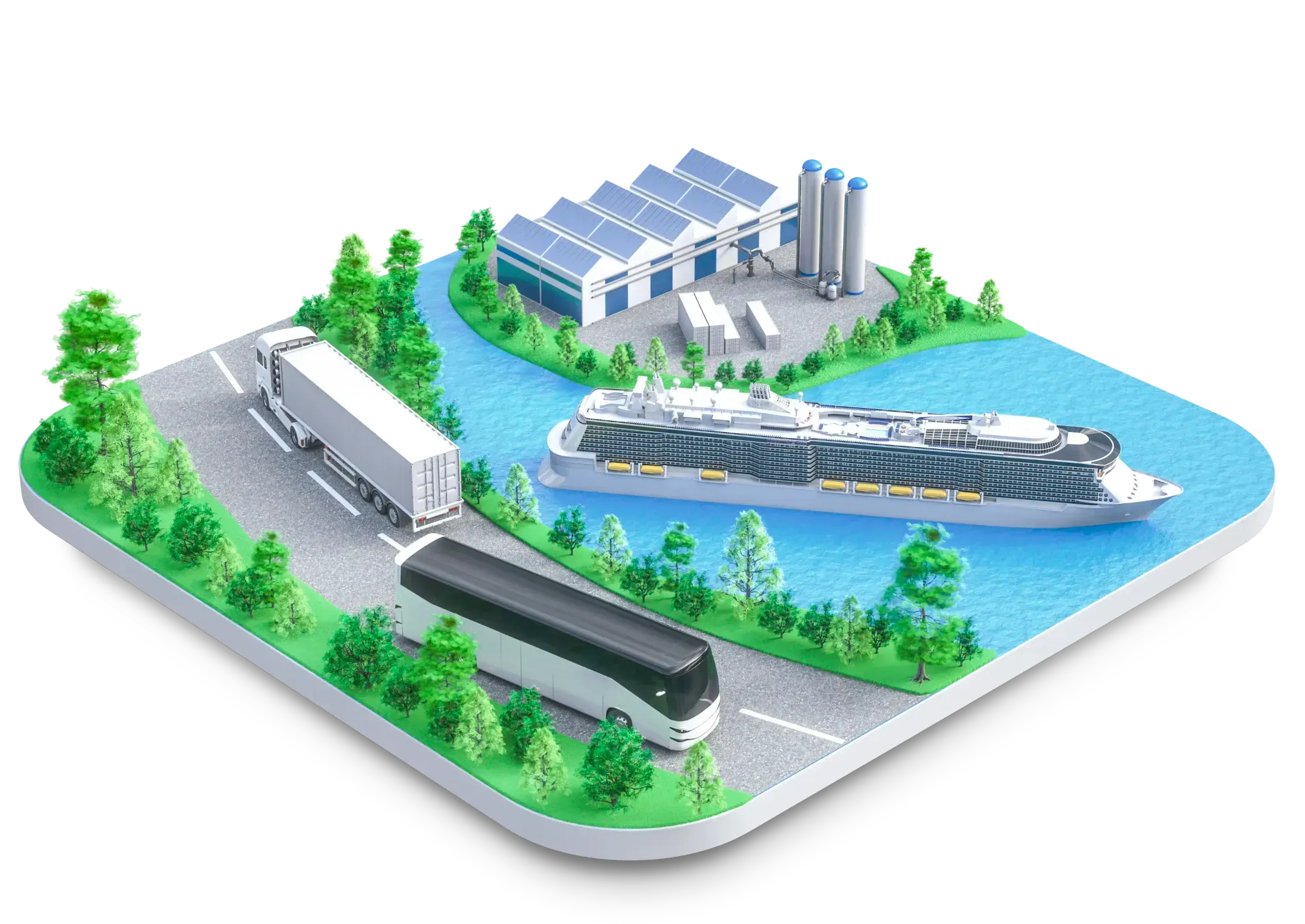
Hydrogen is evolving into a key energy carrier in industrial processes, mobility and storage. That places high demands on sealing technology: extremely small molecules, large pressure differentials, temperature fluctuations and varying chemistry. This is why hydrogen seals must combine low permeation, a stable compression set and predictable behaviour under dynamic loading. From electrolysis and compression to storage and fuel cells: consistent leak-tightness determines safety, efficiency and uptime. In this context, it comes down to the right combination of product (O-ring, gasket, dynamic seal, back-up) and compound (EPDM, FKM, FFKM, HNBR/AFLAS, PTFE/PEEK) with tight tolerances and demonstrable RGD/AED resistance. With well-validated hydrogen seals, hydrogen technology becomes scalable, safe and economical.
Leakage is not only an efficiency issue for hydrogen, but above all a safety issue. Due to the extremely small molecular size, microleakage can go unnoticed, with explosion hazards, unwanted emissions and reputational damage as a result. Good hydrogen seals demonstrably limit permeation and keep connections gas-tight, even after thermal cycles and vibration. In static flanges it comes down to groove dimensions, surface roughness and compression distribution; in dynamic applications, friction, wear and heat generation come into play. That is why we combine elastomers with PTFE support and back-ups where the gap width is large or the pressure differential is high.
This way, seals prevent extrusion and microleakage, reduce HSE risks around compressors, valves, tanks and test setups, and help meet emission targets. With traceable batches and substantiated test reports, hydrogen seals continue to perform predictably in the field.
Every unplanned stop costs production, energy and man-hours. Robust hydrogen seals reduce those costs by limiting extrusion and wear, so service intervals become longer and predictive maintenance truly remains predictable. In compression and purification steps, O-rings with PTFE back-ups retain shape and seal integrity at high pressure differential; in static flanges, the right hardness and compression distribution ensure stable leak-tightness. Result: fewer purge losses, fewer restarts and higher efficiency per operating hour. At TCO level this pays off twice: you prevent failure costs (downtime, rework, claims) and you standardise on compounds and groove dimensions that scale from prototype to series. In this way, hydrogen seals do not become a commodity, but a lever for uptime, efficiency and budget certainty throughout the entire lifecycle. Ultimately, you thus link safety, performance and cost in a single consistent choice.
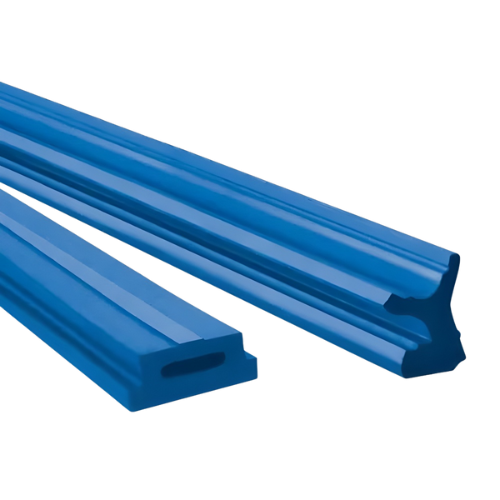
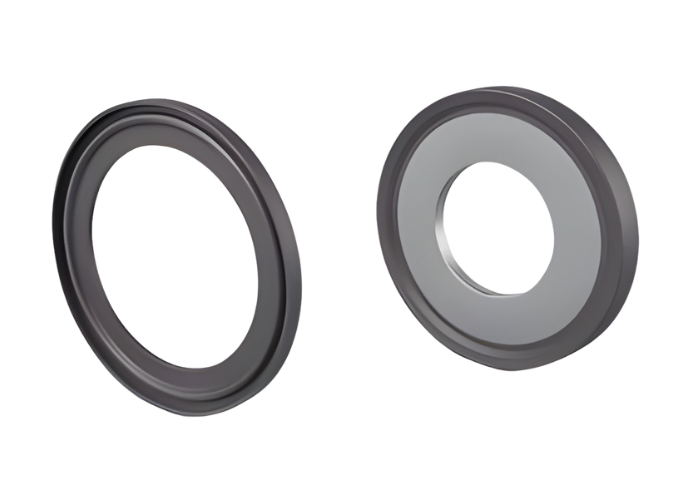
We supply a broad range of hydrogen seals for static and dynamic tasks. The basics include O-rings and X-rings, flat gaskets (seal-on-frame if desired), rod and piston seals, wipers/scrapers, chevron-sets and guide bands. For high pressure and larger gap widths we provide PTFE/PEEK back-up rings; in pumps and purification we supply robust diaphragms. The right O-ring for mechanical seals prevents leakage under varying pressure. Choose an O-ring with AED qualification for gas services. At high pressure differential, an O-ring with back-up rings is appropriate. With PTFE back-ups the O-ring remains extrusion-free at high pressure. Check that your O-ring fits ISO 3601 groove dimensions. By consistently applying these design rules, hydrogen seals become repeatable to assemble, uniform in compression and reliable in long-term operation.
Material selection determines performance under chemistry, temperature and pressure. We supply hydrogen seals in EPDM (water/alkali), FKM (150–200 °C and aggressive media) and FFKM (extreme chemistry/heat). For sour service an O-ring of HNBR or AFLAS is logical. An O-ring must have a low compression set, so that the sealing pressure is maintained after cycles. In fuel cell environments we select compounds with low outgassing and strict cleanliness; in compressors and valves the emphasis is on RGD/AED resistance and wear behaviour. Where low friction and dimensional stability are required, we use PTFE/PEEK as a carrier or back-up. We advise when AED-qualified compounds are needed, how tolerances limit extrusion and which groove dimensions are safe in your design. With test reports for permeation, compression set and RGD/AED behaviour, hydrogen seals comply with internal QA rules and external audits, without surprises between prototype and series production.
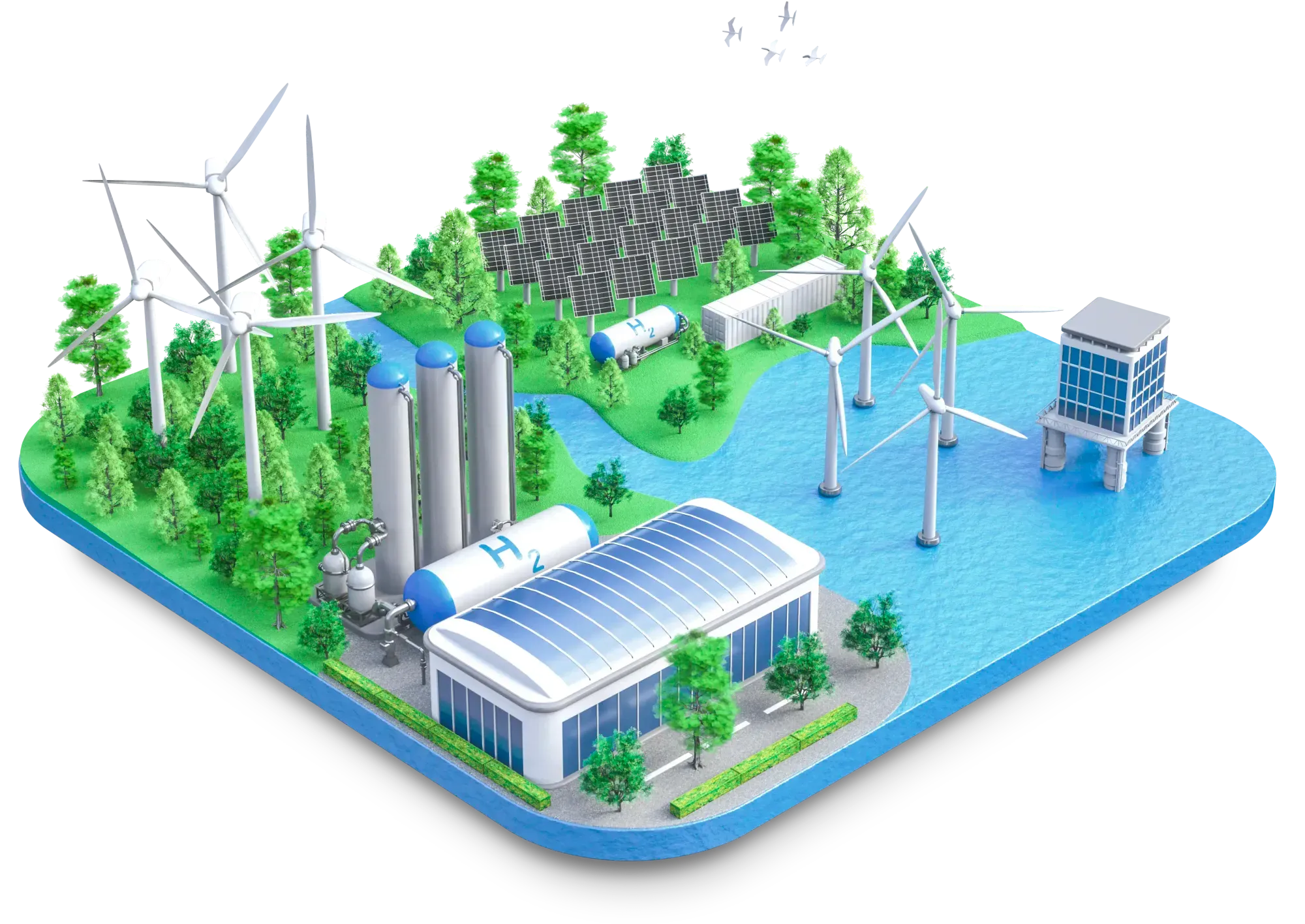
Electrolyzers and water-splitting setups require hydrogen seals that combine long-term gas-tightness with chemical compatibility and thermal stability. Think of precision O-rings for stack interfaces, gaskets around flow fields and, where sensible, seal-on-frame to shorten assembly time and stabilise compression distribution. EPDM is often logical in water/alkali environments; FKM and FFKM provide assurance at higher temperatures and with aggressive media. With clear groove guidelines and dimensions, validation becomes repeatable, and hydrogen seals are faster to qualify and assemble, shortening the lead time from prototype to series and increasing the first-time-right probability.
Compressors, pumps and purification/PSA operate under higher pressure differential and frequent pressure cycles. Here we recommend hydrogen seals with AED-qualified O-rings and PTFE back-up rings to limit extrusion. In dynamics, rod and piston seals, wipers and guide bands help to control friction, wear and heat build-up. At 150–200 °C, an O-ring for mechanical seals made of FKM often performs better; for extreme chemistry FFKM is the safe choice. In combination with correct hardness, tolerances and surface finish, hydrogen seals maintain their shape and seal integrity, reduce the maintenance window and increase the reliability of critical equipment.
In high-pressure systems, tanks/vessels and valves/couplings, it’s all about mechanical safety and repeatable assembly. We select hydrogen seals with low permeation, appropriate hardness and tight tolerances; seat and stem seals keep valves tight, while O-rings with back-ups reduce blowout risks. By aligning compound selection and geometry with gap width and bolt preload, hydrogen seals prevent microleakage and unplanned stops. Traceable batches and consistent dimensions ensure that maintenance teams work with predictable replacement parts, benefiting safety and uptime.
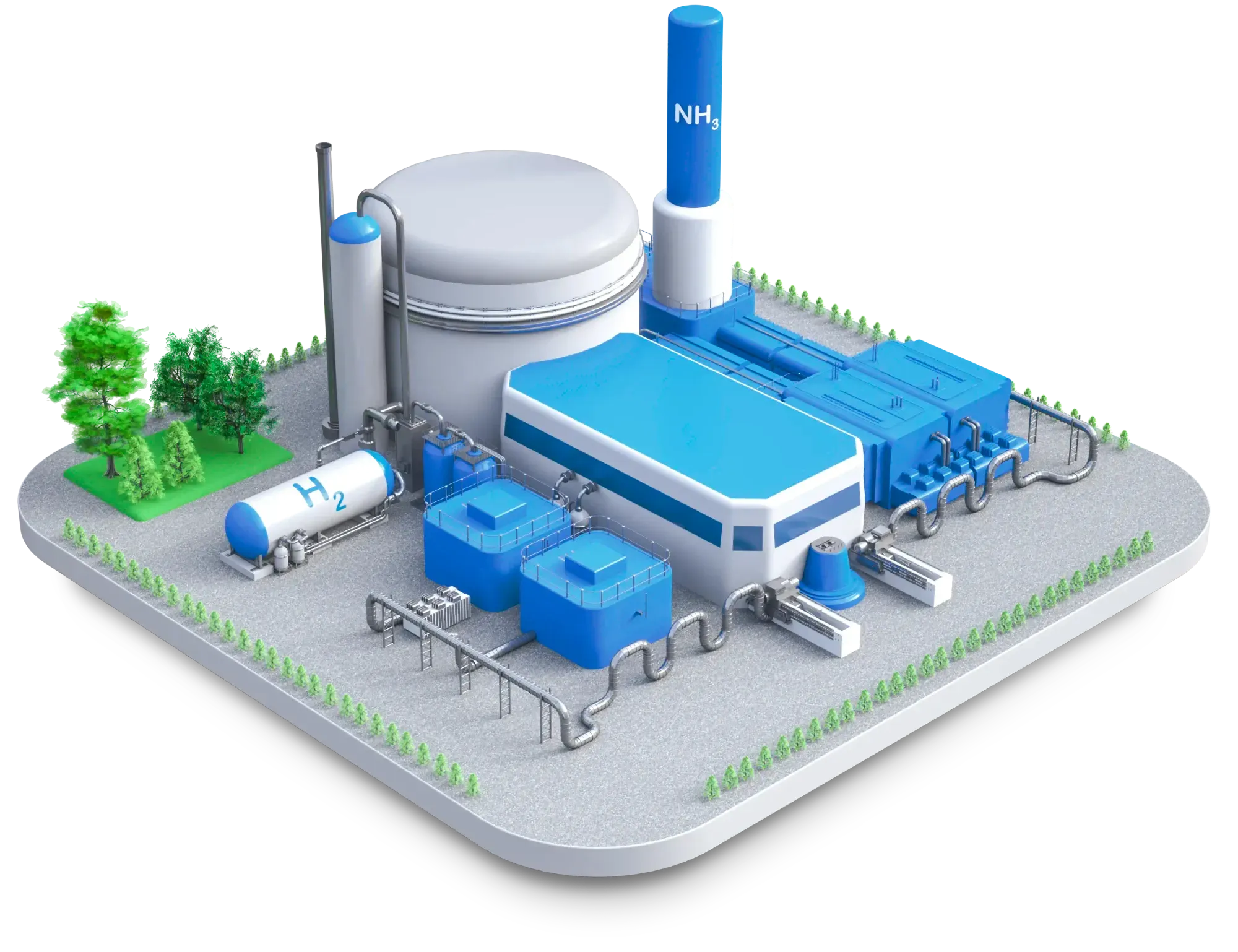
Fuel cells, H₂ engines and lab/test setups require strict separation of reactant gases and the cooling circuit. We select hydrogen seals with low outgassing, precise compression behaviour and, where needed, specific cleanliness standards. In fuel cell stacks, gaskets and edge seals support the compression distribution across BPP/GDL; in test setups it’s about reproducible tightness and quick changeovers without leakage. By linking upstream experience (production/processing) to downstream requirements, hydrogen seals continue to perform consistently across the entire chain, from prototype to field operation, under varying loads and environmental conditions.
Roughly: EPDM for water/alkali (electrolysis), FKM for 150–200 °C and chemical media, FFKM for extreme chemistry/heat; HNBR/AFLAS for sour service and PTFE/PEEK for low friction and back-ups. Always choose based on medium, temperature, pressure, cycles and desired service life.



 Nederlands
  Deutsch