Short Term
|
Properties
|
Medium Resistance
|
Application
|
| |
Color |
Temperature Range [°C] |
Temperature Range [°F] |
Max. Pressure Static [bar] |
Max. Pressure Rotating [bar] |
Max. Pressure Suction [bar] |
Max. Speed Rotating [m/s] |
Max. Speed Suction [m/s] |
Cold Water |
Hot Water |
Steam |
Seawater |
Chemicals |
Gas |
Acids |
Centrifugal pumps |
Rotary pumps |
Plunger pumps |
Agitators |
Mixers |
Fittings |
Screw shaft |
Freudenberg Sealing Technologies Stuffing Box Packing
|
| Merkel® Aquastar Light 4315 |
|
?°C - 100°C |
|
16 |
16 |
|
6 |
|
✔ |
✔ |
|
✔ |
|
|
|
✔ |
✔ |
|
|
|
|
|
| Merkel® Ramiflex 4510 |
|
?°C - 120°C |
|
|
16 |
100 |
10 |
1 |
|
|
|
✔ |
|
|
|
✔ |
|
✔ |
|
|
|
|
| Merkel® Ramilon 4586 |
? |
-40°C - 120°C |
|
|
40 |
100 |
13 |
2 |
|
|
|
|
|
|
|
✔ |
|
✔ |
|
|
|
✔ |
| Merkel® Arostat 6204 |
|
-40°C - 250°C |
|
200 |
|
|
2 |
|
|
|
✔ |
|
|
|
✔ |
|
|
|
|
|
✔ |
|
| Merkel® Arolan 6210 |
? |
-50°C - 280°C |
|
|
25 |
200 |
26 |
2 |
|
|
✔ |
|
|
|
✔ |
✔ |
|
✔ |
✔ |
✔ |
|
|
| Merkel® Arochem II 6211 |
|
-50°C - 280°C |
|
|
500 |
|
2 |
|
|
|
|
|
✔ |
|
✔ |
|
|
|
|
|
|
|
| Merkel® Arochem 6212 |
|
-50°C - 280°C |
|
|
500 |
|
2 |
|
|
|
✔ |
|
✔ |
|
✔ |
|
|
|
|
✔ |
|
|
| Merkel® Arolan II 6215 |
|
-50°C - 280°C |
|
|
25 |
100 |
26 |
2.5 |
|
|
|
|
|
|
|
✔ |
|
|
|
|
✔ |
|
| Merkel® Arochem S 6216 |
|
-50°C - 280°C |
|
|
25 |
250 |
25 |
2 |
|
|
|
|
|
|
✔ |
✔ |
|
✔ |
|
|
|
|
| Merkel® Varilon SG 6224 |
|
-50°C - 280°C |
|
|
25 |
|
20 |
|
|
|
|
|
|
|
✔ |
✔ |
✔ |
✔ |
|
|
|
|
| Merkel® Aroflex 6226 |
|
-10°C - 150°C |
|
|
16 |
|
10 |
|
|
|
|
|
|
|
✔ |
|
✔ |
|
|
|
|
|
| Merkel® Flexalon 6250 |
|
-50°C - 250°C |
|
|
25 |
|
25 |
|
|
|
|
|
|
|
|
|
✔ |
|
|
✔ |
|
|
| Merkel® Unistat 6303 |
|
-200°C - 280°C |
|
250 |
|
800 |
|
2 |
|
|
✔ |
|
|
|
✔ |
|
|
✔ |
|
|
✔ |
|
| Merkel® Unichem 6313 |
|
-100°C - 250°C |
|
|
15 |
- |
8 |
|
|
|
|
|
✔ |
|
✔ |
✔ |
|
|
|
|
|
|
| Merkel® Unival 6323 |
|
-100°C - 280°C |
|
|
25 |
250 |
20 |
2 |
|
|
|
|
|
|
✔ |
✔ |
|
|
|
|
✔ |
|
| Merkel® Unival II 6326 |
|
-100°C - 280°C |
|
|
25 |
250 |
15 |
|
|
|
|
|
|
|
✔ |
✔ |
|
|
✔ |
✔ |
✔ |
|
| Merkel® Alchem 6375 |
|
-200°C - 280°C |
|
250 |
|
500 |
|
2 |
|
|
|
|
✔ |
|
✔ |
|
|
✔ |
|
|
|
|
| Merkel® Alchem ST 6377 |
|
-200°C - 280°C |
|
|
|
250 |
|
|
|
|
|
|
✔ |
|
✔ |
|
|
|
|
|
✔ |
|
| Merkel® Carbosteam® 6550 |
|
-30°C - 550°C |
|
300 |
|
|
1 |
|
|
|
✔ |
|
|
|
✔ |
|
|
|
|
|
✔ |
|
| Merkel® Carbosteam® S 6555 |
|
-30°C - 550°C |
|
|
|
300 |
|
|
|
|
✔ |
|
|
✔ |
✔ |
|
|
|
|
|
✔ |
|
| Merkel® G-Spezial 6560 |
|
-200°C - 650°C |
|
450 |
|
|
|
|
|
|
✔ |
|
|
✔ |
✔ |
|
|
|
|
|
✔ |
|
| Merkel® G-Spezial S 6565 |
|
-200°C - 650°C |
|
|
25 |
250 |
25 |
2 |
|
|
✔ |
|
|
✔ |
✔ |
✔ |
|
|
|
|
|
|
| Merkel® Grafolan HT 6570 |
|
?°C - 600°C |
|
|
|
300 |
|
|
|
|
✔ |
|
|
|
✔ |
|
|
|
|
|
|
|
| Merkel® Grafolan 6575 |
|
?°C - 300°C |
|
320 |
300 |
|
25 |
|
|
|
✔ |
|
|
✔ |
✔ |
✔ |
|
|
✔ |
|
|
|
| Merkel® Carboflex 6587 |
|
-50°C - 300°C |
|
|
|
|
25 |
|
|
|
✔ |
|
|
|
✔ |
|
✔ |
|
|
|
|
|
| Merkel® Uniflex 6588 |
|
-50°C - 280°C |
|
|
25 |
|
25 |
|
|
|
✔ |
|
|
|
✔ |
✔ |
|
|
|
|
|
|
| Merkel® Kombilon 6742 |
|
-100°C - 280 |
|
|
25 |
|
20 |
|
|
|
|
|
|
|
✔ |
✔ |
✔ |
|
✔ |
✔ |
✔ |
|
| Merkel® Univerdit 7000 |
|
30°C - 250°C |
|
250 |
160 |
|
6 |
2 |
|
|
|
|
|
|
✔ |
✔ |
|
|
|
|
✔ |
|
James Walker Stuffing Box Packing
|
| Lionpak 2101 |
|
-100°C - +250°C |
-148°F - +482°F |
250 |
10 |
50 |
4 |
0.5 |
|
|
|
|
✔ |
|
|
|
|
✔ |
✔ |
|
|
|
| Lionpak 3200 |
|
-50°C - +250°C |
-58°F - +482°F |
150 |
25 |
150 |
20 |
1.5 |
|
|
|
|
|
|
✔ |
|
|
|
|
|
|
|
| Lionpak 5101 |
|
-200°C - +550°C |
-328°F - +1022°F |
100 |
35 |
|
20 |
|
|
|
|
|
|
|
|
✔ |
|
|
|
|
|
|
| Lionpak 5202 |
|
-200°C - +550°C |
-328°F - +1022°F |
300 |
|
|
|
|
|
|
|
|
|
|
|
|
✔ |
|
|
|
|
|
Techniparts Stuffing Box Packing
|
| AFP Stopbuspakking |
|
?°C - +270°C |
|
300 |
|
|
|
10 |
|
|
|
|
✔ |
|
|
|
|
|
|
|
|
|
| CFP Stopbuspakking |
|
?°C - +250°C |
|
300 |
|
|
|
16 |
|
|
|
|
|
|
|
|
|
|
|
|
|
|
| GTP Stopbuspakking |
|
?°C - +280°C |
|
100 |
|
|
|
10-14 |
|
|
|
|
✔ |
|
|
|
|
|
|
|
|
|
| RTP Stopbuspakking |
|
?°C - +140°C |
|
100 |
|
|
|
10 |
|
|
|
✔ |
✔ |
|
|
|
|
|
|
|
|
|
| SHP Stopbuspakking |
|
?°C - +650°C |
|
450 |
|
|
|
15 |
|
|
|
|
|
✔ |
|
|
|
|
|
|
|
|
| STP Stopbuspakking |
|
?°C - +650°C |
|
450 |
|
|
|
15 |
|
|
|
|
|
✔ |
|
|
|
|
|
|
|
|
| TGP Stopbuspakking |
|
?°C - +285°C |
|
110 |
|
|
|
20 |
|
|
|
|
✔ |
|
|
|
|
|
|
|
|
|
| VEP Stopbus-vetpakking |
|
?°C - +90°C |
|
80 |
|
|
|
5 |
|
|
|
|
|
|
|
|
✔ |
|
|
|
|
|
| MF-250 Gland Packing |
|
?°C - 270°C |
|
100 |
50 |
100 |
15 |
2 |
|
|
|
|
|
|
|
|
|
|
|
✔ |
|
|
| MF-333 Gland Packing |
|
?°C - 120°C |
|
80 |
20 |
60 |
12 |
2 |
|
|
|
|
|
|
|
|
|
|
|
|
|
✔ |
| MF-262 Gland Packing |
|
?°C - 650°C |
|
150 |
15 |
150 |
15 |
3 |
|
|
|
|
✔ |
|
|
|
|
|
|
✔ |
|
|
| MG-780 / MG 780 P Packing |
|
-200°C - +650°C |
|
310 |
20 |
50 |
10 |
1 |
|
|
|
|
|
|
|
|
|
|
|
|
|
|
| MV-500 Packing |
|
?°C - +120°C |
|
10 |
5 |
8 |
5 |
2 |
|
|
|
|
|
|
|
|
|
|
|
|
|
|
What is a Stuffing Box Packing?
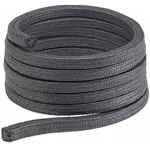
A stuffing box packing is a static seal designed to prevent leakage of fluids and gases in reciprocating and rotating machinery. It consists of elastomers or fibers encased in lubricants and is placed in a housing known as the stuffing box. These packings were first developed in the 19th century for use in steam engines and propeller shafts. They were used to improve machine performance and safety by preventing leaks. Over time, these materials and technologies have improved, resulting in modern, more durable stuffing box packings that can withstand higher pressures and temperatures and are used in various industrial applications.
How Does Valve Packing Work?
A stuffing box packing works by sealing the space between a rotating shaft and a stationary housing to prevent the leakage of fluids and gases. This is achieved by placing a braided packing material, usually impregnated with lubricant, in a packing chamber around the shaft. A tight seal is created by compressing the packing with a gland follower. There are different types of stuffing box packings, such as graphite packings for high temperatures, PTFE packings for chemical resistance, and rubber packings where some flexibility is required. Each type is designed for specific conditions, ranging from heavy industrial applications to general mechanical uses.
Benefits of a Stuffing Box Packing
Stuffing box packings are inherently durable because they are made from high-quality materials like graphite and PTFE, which are resistant to both chemical conditions and high temperatures. This durability means that stuffing box packings last a long time, even in demanding industrial environments. They do not need frequent replacements, reducing downtime and operational costs for businesses. High reliability is essential in any industry, and these stuffing box packings offer excellent sealing efficiency and durability. They prevent leakage, contributing to safe and smooth industrial processes.
Applications of Stuffing Box Packings
Stuffing box packings are used in various industries due to their effective sealing properties. In the maritime industry, they are used to seal propeller shafts and pumps to prevent water leakage. In the chemical industry, they are used in pumps and valves to prevent hazardous chemical leaks, thanks to their chemical resistance. Stuffing box packings are used in oil and gas equipment such as drilling rigs and pipelines to withstand extreme pressures and temperatures. Applications include centrifugal pumps, where they prevent fluid ingress and seal shafts. This versatility makes stuffing box packings indispensable in many critical industrial applications.
How to Choose the Right Pump Packing?
Materials play a crucial role in selecting the right stuffing box packing. Graphite packings are thermostable at high temperatures and pressures, suitable for harsh conditions, while PTFE packings are chemically inert and used in corrosive applications. Rubber packings are flexible and used in less demanding applications. Key selection criteria include operating conditions such as temperature and pressure. Graphite or ceramic packings are suitable for high temperatures, while rubber or PTFE packings are ideal for lower temperatures. Chemical compatibility is also important; PTFE resists aggressive chemicals. Considering shaft speed and fluid abrasiveness ensures minimal wear and optimal packing lifespan of your Pump Packing.
Frequently Asked Questions about Braided Packings
1. What is a stuffing box packing? A stuffing box packing is a type of seal installed to prevent fluid leaks through rotating or oscillating shafts in machines like pumps or valves.
2. What are stuffing box packings made of? Stuffing box packings can be made from various materials such as graphite, PTFE (Teflon), aramid, carbon fiber, and other synthetic fibers.
3. How does a stuffing box packing work? The packing is compressed in a chamber around the shaft (the stuffing box) and seals by both pressure and lubrication, preventing leaks.
4. What are the main applications of stuffing box packings? Stuffing box packings are used in pumps, valves, compressors, mixers, agitators, propeller shafts, turbines, and pipelines.
5. How often should stuffing box packings be replaced? The lifespan of a stuffing box packing depends on operating conditions and the material. Regular inspection and maintenance are important to ensure optimal performance.



 Nederlands
  Deutsch